The Sub Teacher, the Fan Girl and the Empty Mat
Have you ever shown up somewhere expecting one thing and got something completely different? A restaurant that ran out of your favourite dish. A film that turned out to be nothing like the trailer. Or in this case you walk into the yoga studio, you look up at the front of the room, and the person standing there is not your teacher.
What happens next says a lot more about your yoga practice than any pose ever could.

It Happens to the Best of Us
Let's set the scene. You booked your class one week before, you packed your bag, and off you go. You arrive at the studio, you push open the door, and there they are — a perfectly lovely teacher, ready to guide you through a perfectly lovely practice. Just not the one you were expecting.
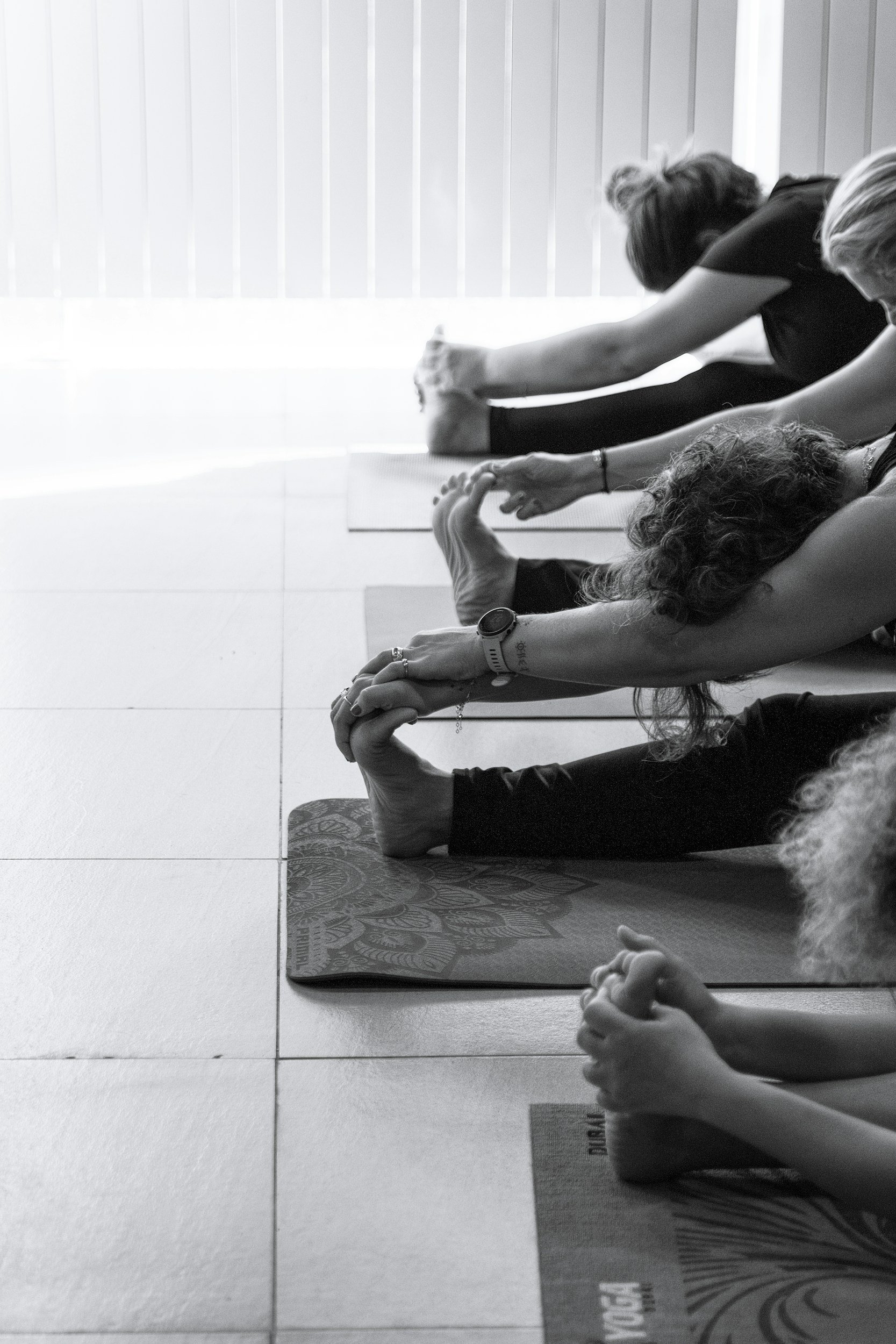
what kind of student are you?
For some students, this is fine. A mild "oh, interesting" moment before they roll out their mat and get on with it.
For others? It is a full crisis.
I have seen students do a very specific thing in this situation. They walk in, clock the sub, do a slow scan of the room as if their teacher might be hiding behind a bolster, and then — with the quiet dignity of someone who has made a firm decision — they turn around and walk back out the door.
No class. No practice. Just vibes, a used check-in, and the sofa waiting for them at home.
The Bad Experience Defence
Here is the thing — I want to be fair. There are genuinely good reasons to be selective about who you practice with.
Not every teacher with a certification delivers a great class. Experience matters, and knowledge as well. The way someone holds a space, cues a pose, reads the room — all of these are skills that develop over time with countless hours of teaching. If you have practiced with a teacher who left you confused, uncomfortable or just deeply bored, it makes complete sense that you would hesitate before repeating that experience.
That is not fandom, but self-preservation which is reasonable and respected. But here is where the story gets more interesting.
The Cult Member Has Entered the Room
What about the student who has never practiced with the sub before? Who has zero information about who they are, what they teach, how they move through a class? And yet, the moment they realise their teacher is not there, the decision is already made?
That, my friend, is not a yoga preference. That is parasocial attachment with a side of Lululemon.
Some students develop a relationship with their favourite teacher that goes somewhere well beyond "I enjoy this person's classes." Their teacher becomes the reason they practice, the reason they come back, the reason they booked the class in the first place — not yoga itself, but this specific human doing yoga at this specific time.
Which, honestly? Is kind of adorable. But also a little concerning.
Because here is what that student did that day: they walked away from the only check-in they had, which means they cannot go anywhere else to practice. Their body, their breath, their mat — all on hold. Not because the class was bad. Not because they tried something and it did not work. But because the one person they wanted to see was not there.
That is not a yoga practice. That is a concert ticket.
But You Could Just… Practice at Home?
I can already hear it: "But Lee, I could just go home and do a home practice."
Sure. And I say this with the most affectionate tone possible. If you had the discipline for a home practice, you would already be doing one. The student who genuinely has a consistent home practice is also the student who, when faced with a sub they have never met, thinks: interesting, let's see what this person has to offer. Because that kind of student is there for yoga, not for the show.
But let's say you do stay. Let's say you roll out your mat, the class begins, and five minutes in you realise this is not quite what you were expecting. Maybe the level feels different. Maybe the pace is faster or slower than you are used to. Maybe the sequencing takes you somewhere unfamiliar.
“Here is a thing that this practice actually teaches you to do: adapt.”
A class is never one-size-fits-all, regardless of who is teaching it. You are allowed (encouraged, even) to make it yours. If the flow calls for a jump-through and your body is not there yet, you step through. If Parsvakonasana is being held deep and long and your hip has other opinions today, you modify e.g. a shorter stance, a hand to the knee, a block under the palm, etc. and you stay present in the shape that serves you. If the room feels loud or fast or unfamiliar, you come back to your breath. You narrow your focus to the inhale, the exhale, the pause between the two. That kind of concentrated awareness (what yoga calls Dharana) is its own practice, and honestly one of the harder ones.
The sub cannot take your practice away from you. Only you can do that, by walking out the door.
Walking out and "doing it at home" and actually doing it at home are two very different things. One is a yoga practice. The other is a story we tell ourselves while scrolling on the couch.
The Philosophy Bit
This is where I stop teasing and get a little serious, because there is something worth saying underneath all of this.
The whole philosophy behind yoga — the reason this practice has existed for thousands of years — is that it belongs to you. Not to a teacher, not to a studio, or to anything or anyone else than You. The practice is Yours. And no circumstance can take it away from You.
Your favourite teacher being out of town is, in yogic terms, can be seen as a small test of that. A moment where life gently asks: are you here for the practice, or are you here for the performance?
And if you want to go deeper into that question, and I mean properly deeper, the Yoga Sutras of Patanjali have something to say about it. The first thing Patanjali lays out before we even get to asanas or pranayama is a framework for how to live and how to practise: the Yamas and the Niyamas.
The Yamas are ethical principles concerned with how we relate to the world around us. Among them is Aparigraha (non-attachment, non-grasping). The idea that clinging to things, people or outcomes causes suffering. Sound familiar? The student who cannot practice without their specific teacher is, in a very real sense, in the grip of Aparigraha. They have attached so completely to one source that the moment it is unavailable, the practice collapses entirely.
The Niyamas turn inward, toward how we relate to ourselves and our own practice. One of the most relevant here is Tapas, often translated as discipline or inner fire. The commitment to showing up, to doing the work, even when the conditions are not ideal. Tapas is not the practice you do when everything is perfect. It is the practice you do when your favourite teacher is not there, when you slept badly, when the room is too warm, when the sub cues something in a way you have never heard before. It is, in essence, the practice of not walking out the door.
And then there is Svadhyaya, self-study. The practice of turning the lens inward and asking honest questions. Why am I reacting this way? What does this resistance tell me about where I am right now? A new teacher, an unfamiliar sequence, an unexpected morning — all of it becomes material for self-inquiry if you are willing to stay.
Your favourite teacher being out of town is not an obstacle to your practice. According to Patanjali, it might be exactly where your practice begins.
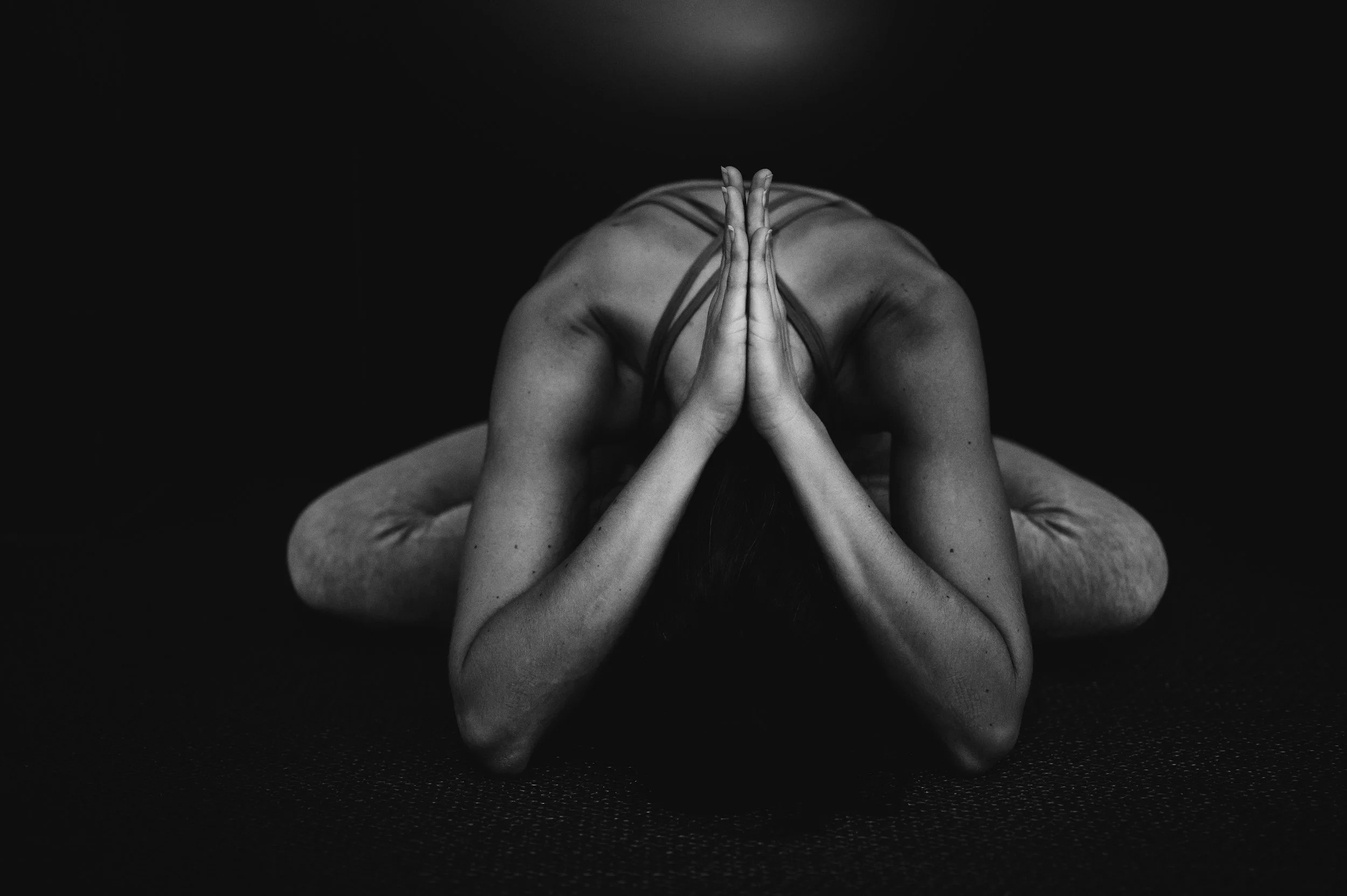
There is no wrong answer, by the way.
But it is worth knowing which one it is.
Because if you are here for the practice, a sub can become an opportunity. A different perspective. A new way of being guided through something familiar. Some of the most formative classes I have ever taken were with teachers I had never heard of before that day.
And if you are here for the performance, that is okay too! Just maybe be honest about it. Check the schedule. Follow your teacher on Instagram. Go see them at their next workshop. And when they are not there, perhaps that is the universe's quiet way of asking you to try something new.
A Note to the Fan Girls
I do not write this to shame anyone. We all have teachers who changed something in us, who made us feel something on the mat we had never felt before. That kind of gratitude and admiration is beautiful.
But your favourite teacher's greatest wish for you, I promise, is that you practice even when they are not there. That the tools they gave you become yours. That yoga becomes something you carry with you — not something you only access when a specific person is standing at the front of the room.
The practice is the point. The teacher is just the person who helped you find it.
Now go check the schedule. Your body deserves better than the sofa.