
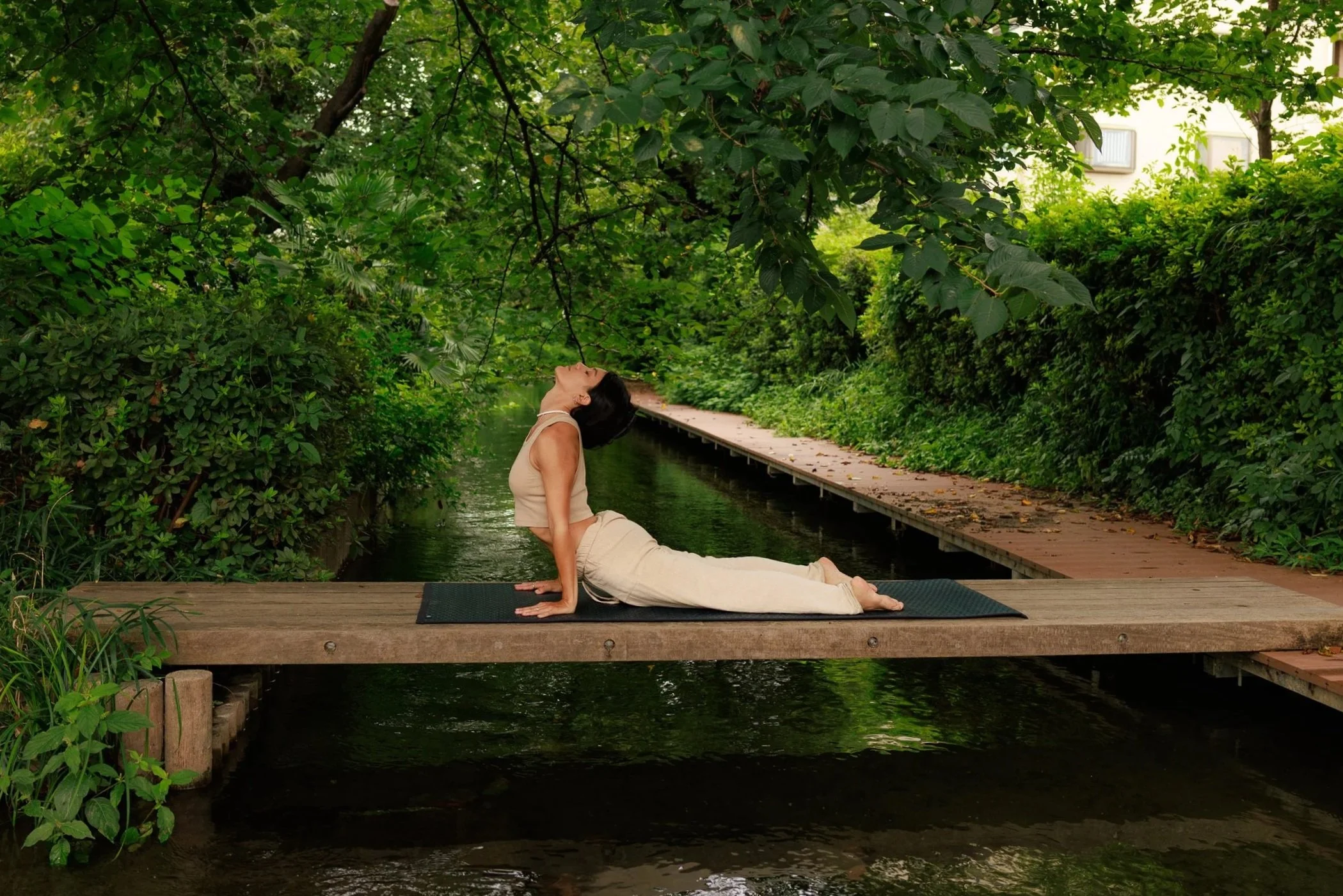
A 138‑year‑old floor, reimagined as a mat you roll out every day.
I'm partnering with tatami weavers working out of Fukuoka since 1886 to bring their rush-grass tatami yoga mats to Berlin. Pre-orders open; here's the beginning of the story.
The give of tatami
❋
Rolled out for your practice
❋
Pre-order now
❋
The give of tatami ❋ Rolled out for your practice ❋ Pre-order now ❋
Some of you already know tatami from a ryokan floor or a tea room — that faint green scent, the particular give underfoot. When we decided to partner up to bring tatami yoga mats to Europe, turning a centuries-old craft into something you'd integrate into your practice felt like a personal calling. Here's where we're starting, and why.
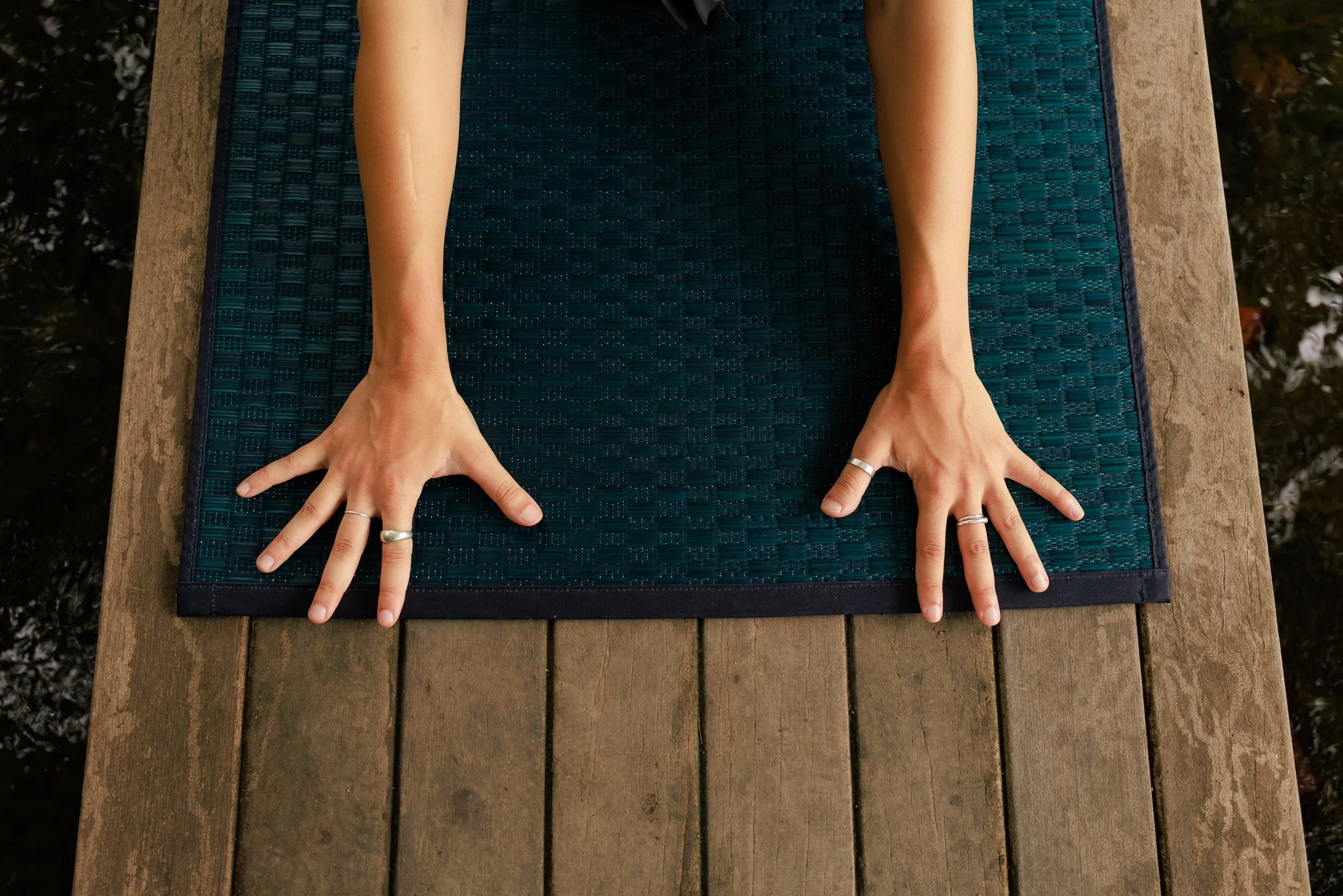
3 reasons we're doing this
A few honest reasons this collaboration exists at all.
I. Introducing tatami properlyOutside Japan, tatami is mostly known as an aesthetic. Few people know what's actually happening inside that material: how it regulates humidity, resists odour-causing bacteria, and carries a scent that's linked to a genuinely calming effect. We want you to be able to make an informed choice about what you practice on.
II. A living craft and traditionTatami has shaped Japanese homes for over a thousand years, and its living tradition is transforming today. Putting a material this considered to a completely different daily use is how a century-old craft tradition can stay alive in modern life beyond minimalist Japanese decor.
III. A piece of nature at homeCity apartments don't offer much daily contact with anything grown rather than moulded. A mat woven from sun-dried rush grass, harvested and finished by hand, brings a little more nature into people’s homes. A small point of contact worth folding into the one hour of your day that already asks you to slow down.

Why I use it — my own mat, since 2023
On a trip to Japan in 2023, I came across Ikehiko's tatami yoga mats, and I've been rolling mine out most mornings ever since.
The touch takes me straight back to inaka, the Japanese countryside. The grip, and how well it's held up after years of daily use, is the kind of sustainability and eco-friendly yoga mat you can actually feel underfoot rather than just read about. And the scent and texture still do something no synthetic mat ever has.
My tatami yoga mat make me feel like I'm outside, at home with myself, without leaving the room.
Tatami Yoga Mats


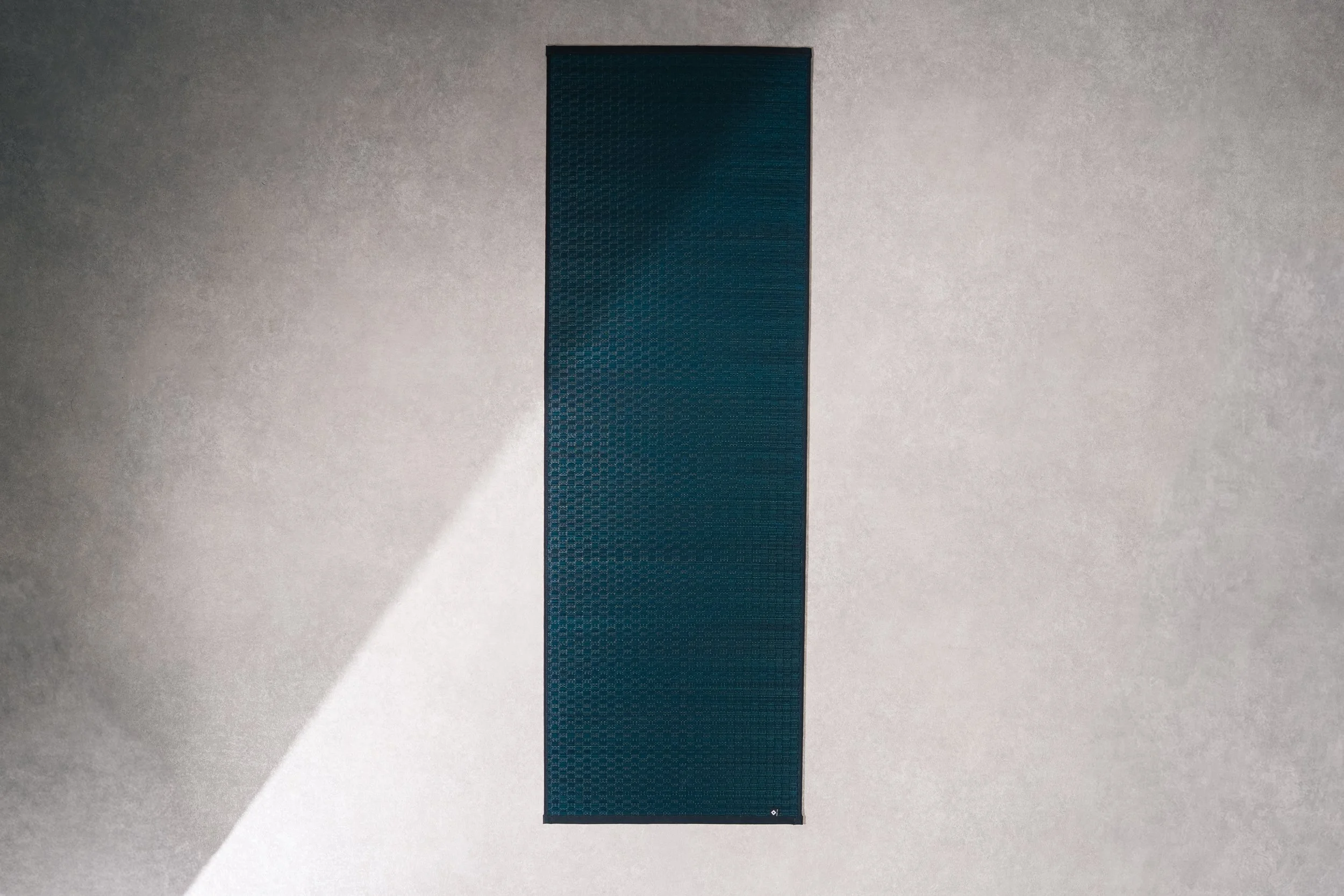
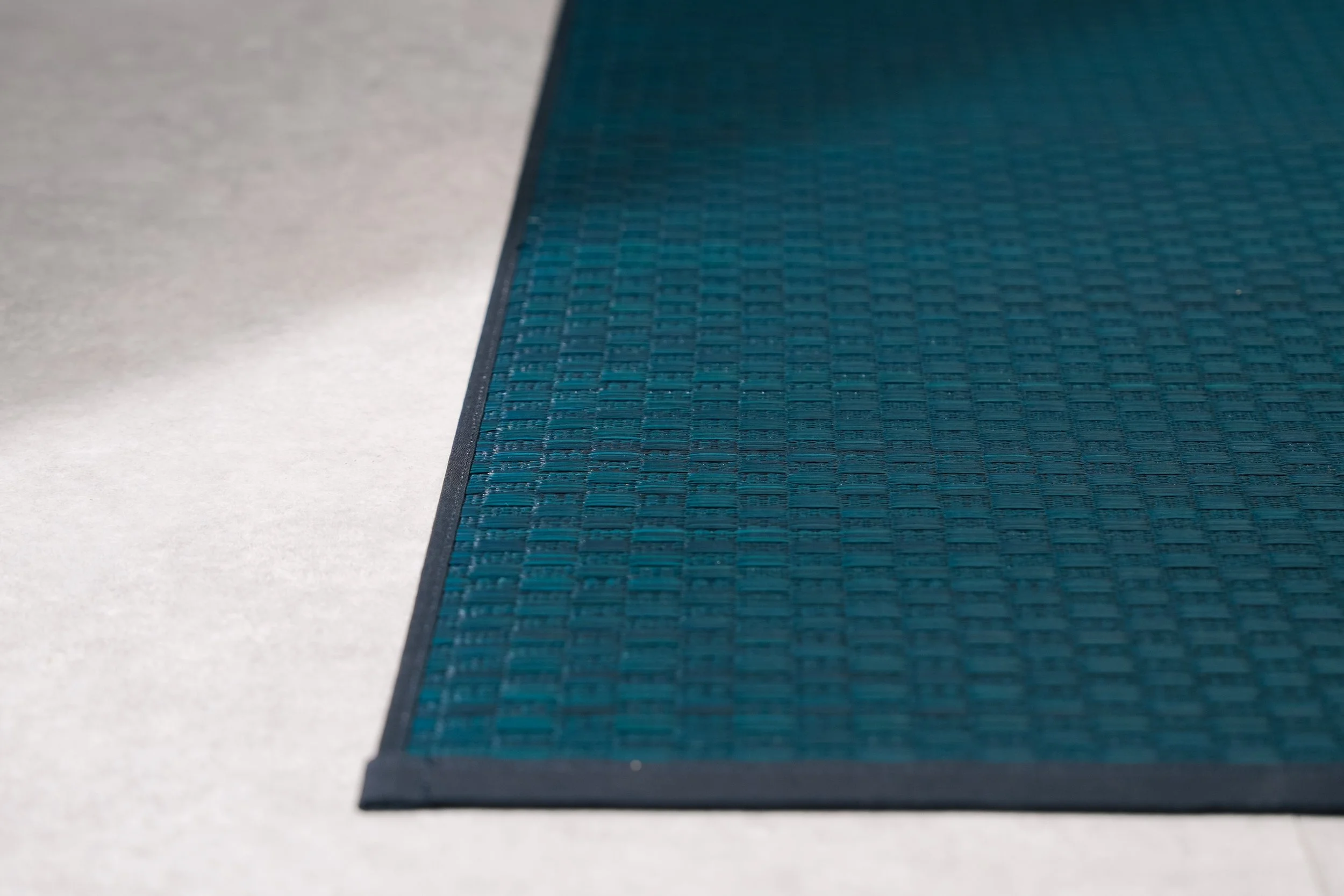
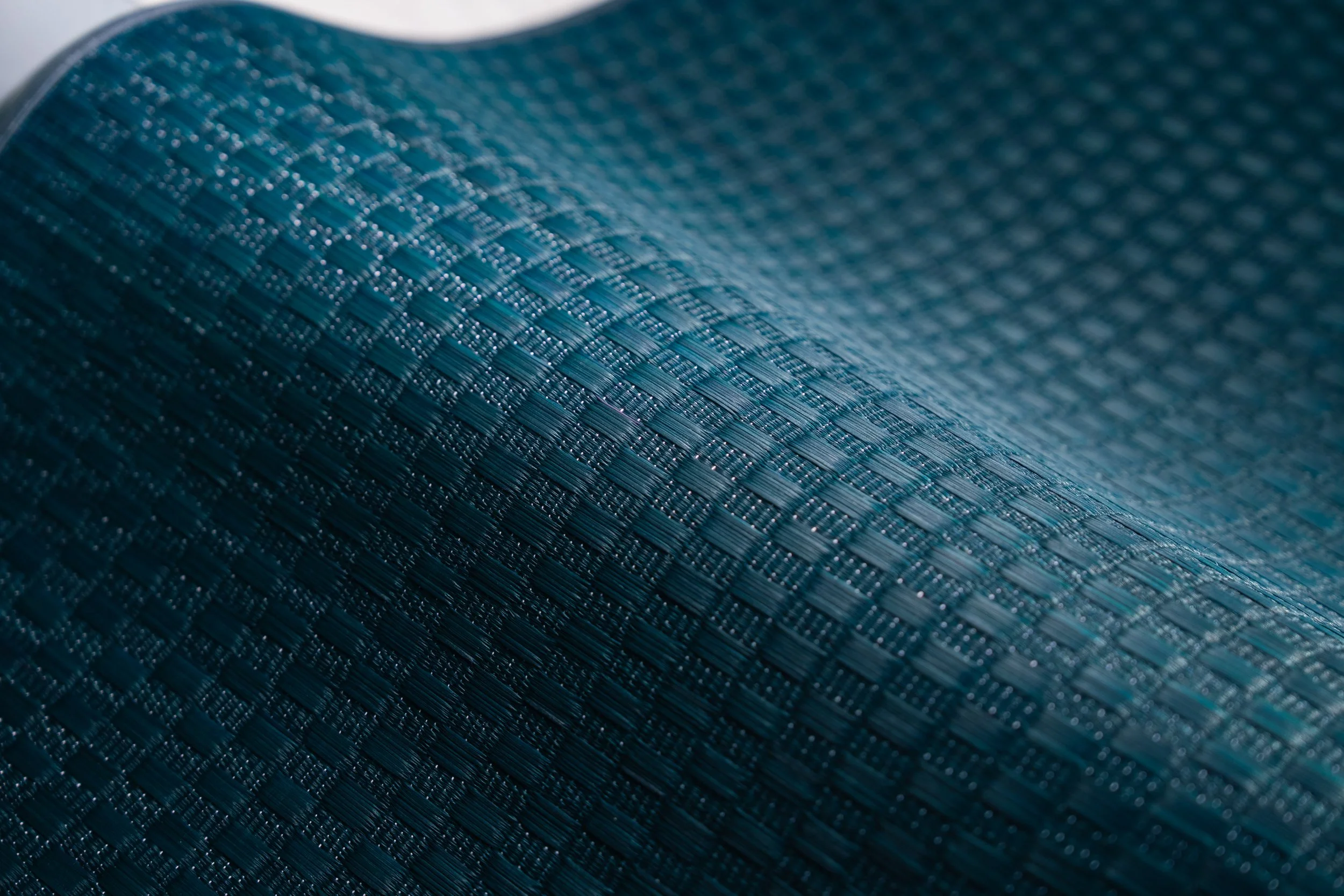
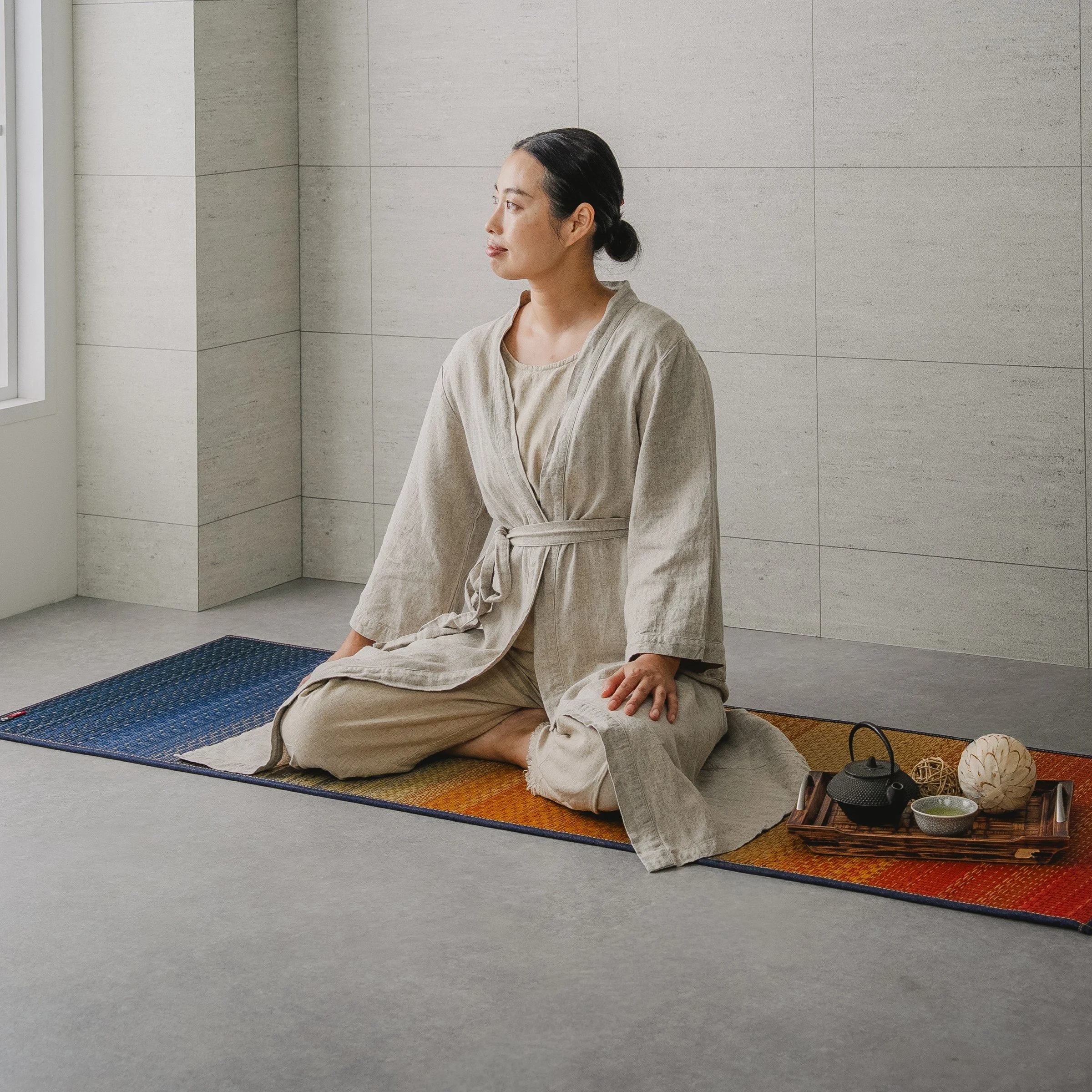


Natural yoga mat (rush grass) for sensitive skin
66 × 190 cm
2.1 kg
Made to order in small batches
Naturally deodorising and anti-bacterial
What tatami actually is
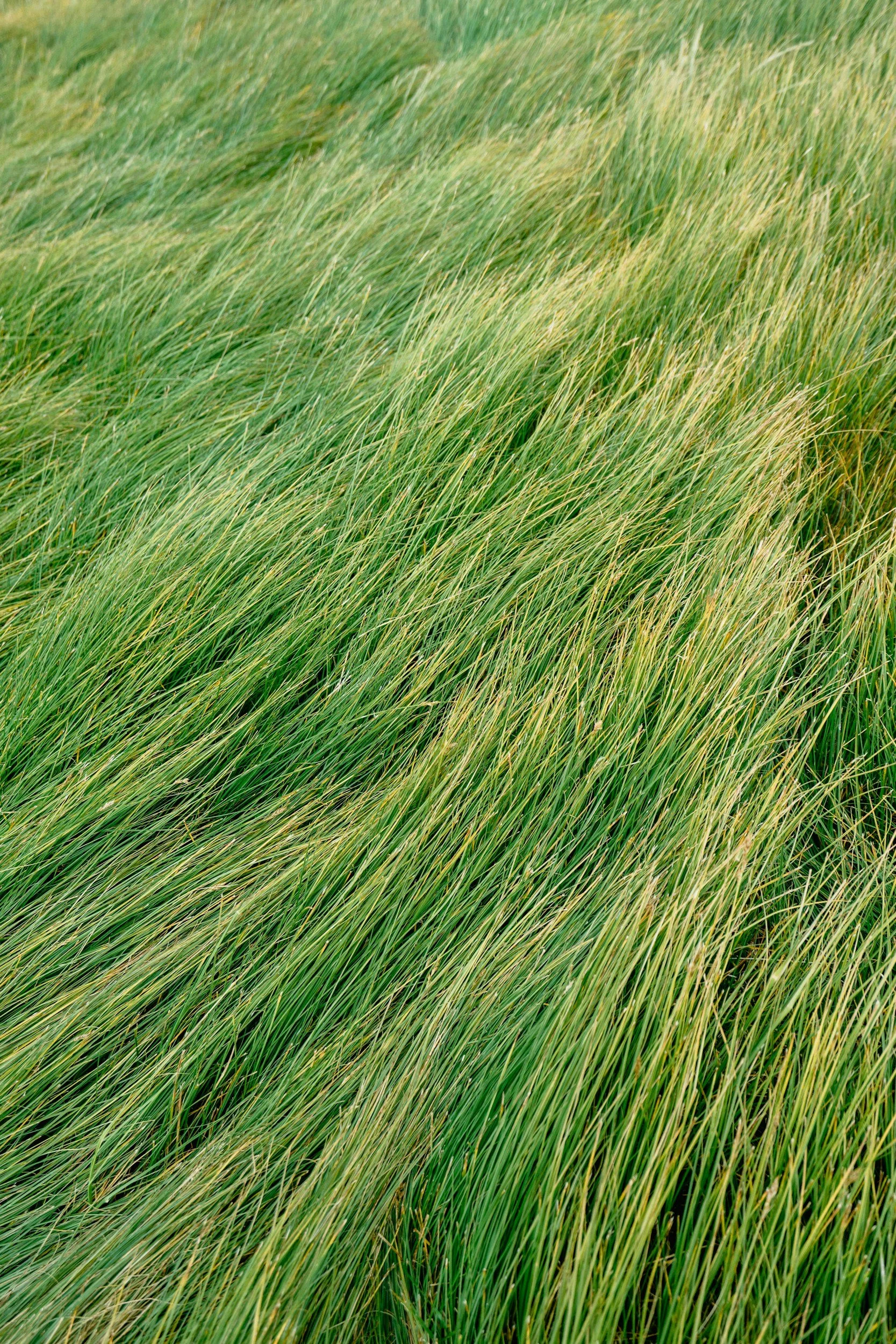
Ikehiko has been part of the tatami trade in Fukuoka since 1886 — one family workshop's worth of craft, now well past a century. Every mat starts as igusa, a rush grass grown in Japanese fields, cut, dried and hand-sorted before it's ever woven. None of what follows is synthetic.
-
Compounds in the grass itself help resist the bacteria that cause odour — without a chemical treatment layered on top.
-
Woven tatami has long been used to keep a room smelling fresh; the same property works on a mat that sees daily sweat.
-
Rush grass draws in moisture when the air is damp and releases it when it's dry, evening out the surface underneath you.
-
The grass's natural scent comes from plant compounds (phytoncides) the same family linked to the calming effect of forest bathing, or shinrin-yoku.